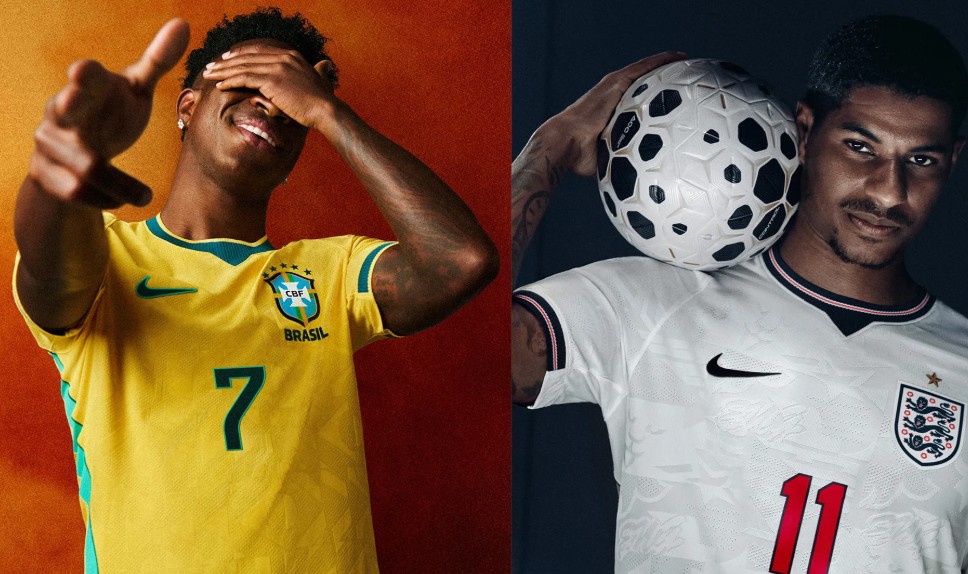
The resurgence of 90s World Cup kits is not just driven by nostalgia, but by a growing awareness of how football has evolved tactically, with fans using retro designs as entry points to re-evaluate how matches were played compared to today.
Why 90s Football Created Distinct Visual Identity
Teams in the 1990s often had clearly defined tactical approaches, with less positional fluidity and more rigid structures. These characteristics translated into bold, distinctive kit designs that reflected stability rather than adaptability.
How Slower Tempo Influenced Design Perception
Matches in the 90s typically unfolded at a slower pace, allowing viewers to observe structured defensive lines and deliberate attacking buildup. This clarity made it easier to associate specific kits with recognizable playing styles.
The Tactical Simplicity Behind Retro Appeal
The relative simplicity of tactical systems during that era—such as fixed formations and role-specific players—created patterns that were easier to follow visually, reinforcing the connection between kit design and team identity.
Comparing 90s Structure to Modern Fluidity
While 90s teams relied on positional discipline, modern teams emphasize fluid movement and interchangeable roles. This shift makes retro kits feel more symbolic of a time when tactical roles were easier to identify during matches.
Watching Matches Live Highlights These Differences
The contrast between eras becomes most evident when observing full matches rather than relying on historical summaries or highlight clips.
By engaging with games through ดูบอลสด, viewers can directly compare how modern teams compress space, execute coordinated pressing, and generate higher-quality chances versus the more linear attacking patterns of the 90s. This real-time comparison helps explain why retro kits feel tied to a different tactical rhythm, allowing fans to connect visual nostalgia with actual changes in how football is played.
Identifying Key Differences Between Eras
To understand why retro kits resonate today, viewers need to focus on the structural differences that define each period. These differences become clearer through consistent observation across matches.
- Defensive lines in the 90s were deeper and more static.
- Midfield roles were more specialized and less interchangeable.
- Attacking patterns relied more on crosses and direct play.
- Modern teams emphasize pressing and spatial control.
These contrasts help viewers interpret how football has evolved. When watching live matches, recognizing these differences allows fans to appreciate why modern kits appear more streamlined, reflecting the speed and complexity of today’s tactical systems.
Comparing Visual Identity Across Eras
The evolution of kit design mirrors broader tactical changes, making it easier to connect visual differences with how the game is played.
| Era | Visual Style Characteristics | Tactical Identity |
| 1990s | Bold patterns, loose structure | Rigid formations, slower tempo |
| Early 2000s | Transitional designs | Increasing tactical flexibility |
| Modern era | Minimalist, performance-focused | High intensity, fluid systems |
This comparison shows how visual simplicity in modern kits aligns with tactical efficiency, while retro designs reflect a more segmented and structured approach to the game.
When Nostalgia Misrepresents Reality
The appeal of retro kits can sometimes lead to an oversimplified view of past ลิงค์ดูบอลโลก 2026, where matches are remembered as more stylistically pure than they actually were. In reality, many games lacked the tactical refinement seen today.
This mismatch becomes clear when revisiting full matches, where limitations in pressing coordination or chance creation are more evident than in highlight reels.
How Retro Trends Improve Match Understanding
Revisiting 90s football through its kits encourages viewers to analyze how tactical systems have progressed. This comparison sharpens their ability to identify modern patterns, such as coordinated pressing or positional rotations.
Over time, this perspective enhances how fans interpret matches, as they begin to see current performances within a broader historical context.
Summary
The renewed popularity of 90s World Cup kits reflects a deeper interest in how football has evolved tactically. By comparing past and present through live match observation, fans can better understand the structural changes that define the modern game.