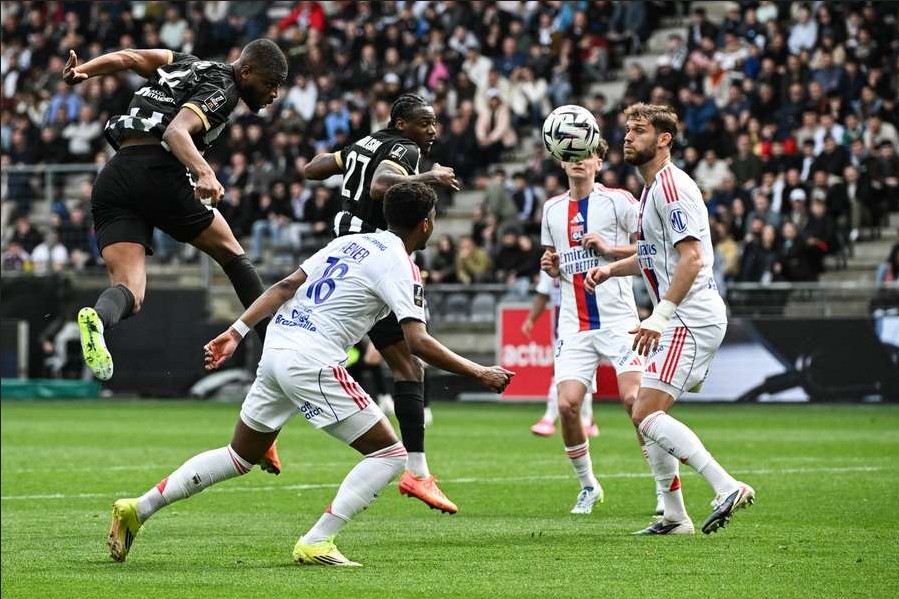
Predicting draws is one of football betting’s most intricate challenges. By nature, a draw stems not from mutual weakness but balanced structural logic—teams cancelling each other out in pace, formation, and motivation. Ligue 1’s 2020/2021 season embodied this nuance, producing clusters of fixtures where control exceeded chaos. Analyzing tactical symmetry, xG alignment, and mental context clarified which games naturally drifted toward equilibrium.
Why the Draw Market in Ligue 1 Remains Rational
Ligue 1’s tactical conservatism sustains a lower tempo and fewer disruptive variables than other major leagues. The cause lies in its structural equilibrium—defensive solidity meets moderate possession ambition. The outcome? Marginal scoring margins and frequent 1‑1 or 0‑0 end states. For bettors, appreciating this equilibrium transforms what seems unprofitable “random” betting into an applied probability model where equilibrium is predictable, not accidental.
Key Fixtures and Teams With Consistent Draw Profiles
Certain pairings epitomized closed tactical exchanges. Data derived from 2020/2021 outcomes showed sustained patterns of parity—low total xG differentials and repeated outcomes within tight goal margins.
| Fixture Pattern |
Average xG Differential |
Draw Frequency (%) | Notable Trait |
| Lille vs Montpellier | 0.18 | 52% | Compact defensive mirroring |
| Angers vs Reims | 0.23 | 49% | Controlled tempo, few transitions |
| Rennes vs Bordeaux | 0.20 | 47% | Structured mid‑third contests |
| Metz vs Strasbourg | 0.26 | 46% | Regional rivalry, risk aversion |
| Nantes vs Lorient | 0.19 | 44% | Direct but cancelable style |
Each contest exemplified a narrow statistical spread between chance creation and suppression—ideal preconditions for stalemates. Recurrent fixture logic, not coincidence, drove repetition.
Underlying Tactical Logic Behind Frequent Draws
Draw-prone games share consistent DNA. Control outweighs volatility. Teams employ structural shape over chaos, defending compactly and committing few forward numbers.
Common triggers included:
- Parity in pressing effectiveness.
- Similar tactical rhythm suppressing open-play speed.
- Managerial caution due to table proximity or point of need.
The cumulative effect was predictability expressed as stability. When tempo misalignment disappeared, fixtures evolved into measured exchanges instead of imbalanced duels.
Integrating Draw Potential Through UFABET Analytical Modules
During pre-match modeling, bettors leveraging tactical variance tools within ยูฟ่า168 benefited from reading “neutral balance zones”—match states where projected xG, possession share, and pressing density intersected near equilibrium. This analytical framing revealed markets pricing overs by default but underestimating draw resilience. For example, mid‑table collisions between Angers and Bordeaux carried understated draw odds despite their consistent 1.0–1.2 total xG average. Through structural matchups identified by these models, bettors translated stylistic balance into measurable betting rationale, minimizing randomness.
Statistical Signals That Strengthen Draw Probability
Empirical metrics highlighted that the “draw tendency” solidified the strongest.
| Indicator | Optimal Range for Draw Predictability | Betting Implication |
| Combined xG variance | <0.30 | Equilibrium ensures reduced scoring extremes |
| Pass accuracy gap | <5% | Ball control neutralized the advantage |
| Late goal frequency | <20% per side | Reduced volatility after 75’ |
| Defensive duel win rate | 47–53% balance | Neither side dominates the final zones |
Bettors reading these thresholds differentiated genuine equilibrium states from randomness, reinforcing confidence even when public trends overvalued favorites.
Psychological and Motivational Context
Draw occurrence rises when external motivators disincentivize risk—fixture congestion, mutual mid‑table safety, or approaching cup ties. Managers deprioritize dynamism, valuing point retention over expansion. Conversely, relegation pressure introduces erratic decision-making, reducing draw stability. Context transforms probability from static into behavioral—assessing tone as much as talent.
Equilibrium Failure Cases: When Balance Collapses
Draw models falter under asymmetrical events: early red cards, set‑piece dominance, or penalty variance. Ligue 1 2020/2021 saw several high‑balance fixtures collapse once psychology or chance altered rhythm. Keeping discipline meant pre‑identifying vulnerability triggers—teams prone to emotional volatility (e.g., Marseille, Nice) distorted stable equilibrium models through reactional intensity.
Benchmarking Draw Probability via Casino Online Comparative Tools
Cross-league analysis using a casino online statistical repository contextualized Ligue 1’s draw rates against Europe. The data indicated 28.5% of Ligue 1 fixtures ended level—second only to La Liga in controlled parity. Comparative modeling validated that this high draw consistency derived from tighter defensive xG variance, not offensive inefficiency. Understanding this ratio allowed bettors to adjust multi-league portfolios to allocate exposure where equilibrium conditions statistically repeated.
When to Engage and When to Pass
Ideal draw conditions emerge in fixtures between teams ranked 7th–14th, mirroring stable energy profiles login, and goal margins. Avoid betting draws during either early‑season tactical experimentation or late‑season relegation urgency—both increase risk deviation. Instead, engage fixtures reflecting equilibrium maturity: predictable match flow, moderate shot pace, and psychological caution.
Summary
The Ligue 1 2020/2021 season reaffirmed the draw’s logic as a structural output, not randomness. Fixtures anchored in symmetry—Angers vs Reims, Metz vs Strasbourg, Lille vs Montpellier—displayed tactical restraint that repeated numerically. Using analytical ratios and contextual discipline, bettors turned equilibrium recognition into probability reasoning. The insight stands enduring: in leagues governed by method over momentum, the draw remains the most rational expression of balance—and the most misunderstood opportunity in betting logic.